

Blog post optimization is the process of improving your blog content so search engines like Google can find it, understand it, and rank it for the right searches. In the competitive landscape of 2026, simply writing good content isn’t enough; you need a strategic approach to ensure your voice is heard above the noise.
Here’s a quick overview of what it involves:
- Keyword research – Find what your audience is actually searching for using modern intent-based tools.
- On-page SEO – Place keywords in the right spots (title, URL, headings, first paragraph) without over-optimizing.
- Content quality – Write helpful, accurate, in-depth content that matches search intent and provides unique value.
- Technical basics – Fast load times, mobile-friendly design, compressed images, and proper schema markup.
- Internal linking – Connect your posts together to build site authority and guide users through your funnel.
- Content freshness – Update older posts every 6-12 months to stay relevant and maintain your rankings.
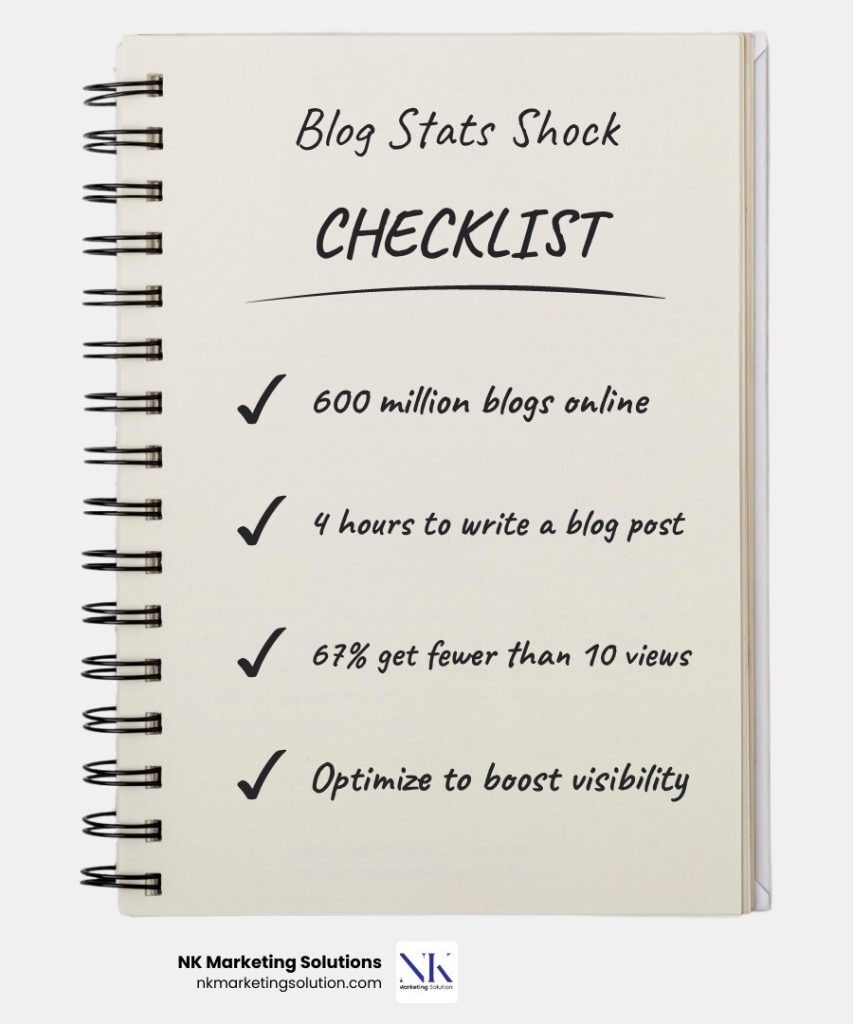
The numbers here are hard to ignore. There are over 600 million blogs online right now, and the competition for the first page of Google has never been more intense. The average blog post takes 4 hours to write, requiring significant mental energy and resources. And yet, 67% of all blog posts receive fewer than 10 views.
That’s a lot of wasted effort for small business owners who are already stretched thin. The problem usually isn’t the writing or the expertise of the author. It’s that most posts skip the basics — the keyword targeting, the structure, and the technical details — that tell Google what a page is about and who it’s for. Without these signals, your content remains invisible to the very people who need your services most.
The good news? These are fixable problems. By following a structured optimization lifecycle, you can ensure every post you publish contributes to your bottom line. And you don’t need to be a technical expert to fix them; you just need a proven system.
Mastering Keyword Research and Search Intent
Before we even type a single sentence, we have to know what our audience is looking for. Effective blog post optimization starts with identifying a primary keyword—the main phrase you want to rank for—and several secondary keywords that provide context and capture long-tail traffic. Long-tail keywords often have lower volume but much higher conversion rates because they target specific user needs.
In 2026, search engines have moved far beyond simple word matching. They now prioritize “search intent” through advanced natural language processing. Are users looking for a quick answer (informational), or are they looking to buy a service (commercial)? If you target a high-volume keyword like “search engine optimization tips” (which has a search volume of 2,900), you must ensure your content actually provides actionable tips rather than just a sales pitch. Misaligning intent is the fastest way to see a high bounce rate and falling rankings.
To truly dominate the SERPs (Search Engine Results Pages), we recommend a deep competitor analysis. Look at the top five results for your target phrase. What are they covering? What are they missing? This is where you find “information gain”—the unique insight, data, or perspective only you can provide. For those looking to scale this process, The ultimate guide to blog SEO can help you align your content with your business goals while ensuring you stand out from the crowd.
Essential Tools for Blog Post Optimization
We don’t have to guess what people are searching for. Tools like Semrush and Rank Math provide “green light” indicators that help us gauge if our content is hitting the mark. We also use Google Search Console to see which queries are already driving traffic to our site, allowing us to double down on what works. WordStream and other keyword planners can also help identify seasonal trends that might affect your traffic.
One of our favorite “hacks” is the “People Also Ask” section on Google. These are literally the questions your customers are typing into their phones. By answering these questions directly in your subheadings, you increase your chances of appearing in AI-generated search summaries and featured snippets. Modern blog post optimization isn’t about hitting a specific keyword density (though 1-2% is a safe natural range); it’s about topical depth and satisfying the user’s curiosity completely.
Strategic Keyword Placement for Blog Post Optimization
Once we have our keywords, where do they go? Google looks at specific “high-rent” districts on your webpage to determine its topic. Proper placement ensures that both search bots and human readers can immediately identify the value of your page.

- The Title Tag: This is the single most important on-page factor. Keep it under 60 characters and front-load your primary keyword so it doesn’t get cut off in search results.
- The First 100 Words: Tell Google (and your readers) exactly what the post is about immediately. No fluff allowed! This helps reduce bounce rates by confirming the reader is in the right place.
- H1-H3 Hierarchy: Use your H1 for the title, H2s for main sections, and H3s for sub-points. This creates a logical map for crawlers and makes the content skimmable for users.
- Meta Descriptions: While not a direct ranking factor, a compelling description boosts your click-through rate (CTR). Think of it as your organic ad copy.
- URL Slugs: Keep them short and sweet. Use /blog-post-optimization/ instead of /blog/2026/05/post-id-99-tips-for-seo/. Clean URLs are more trustworthy and easier to share.
By focusing on High-impact SEO content writing, we ensure that keywords flow naturally. If a sentence sounds robotic because of a keyword, rewrite it. Google’s language matching is smart enough to understand synonyms and semantic variations, so keyword stuffing is not only unnecessary but actively harmful to your reputation.
Technical SEO and User Experience Standards
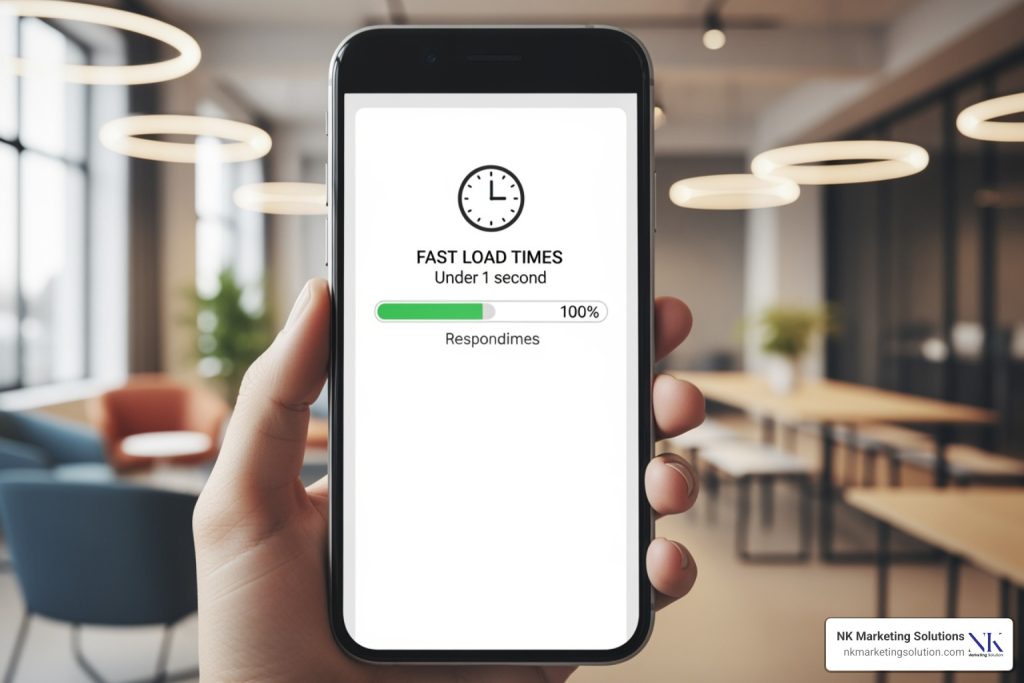
You could write the greatest article in history, but if your site takes ten seconds to load on a smartphone, no one will ever read it. In May 2026, mobile-first indexing is the absolute standard. This means Google looks at the mobile version of your blog to determine your rank, making responsive design a requirement rather than an option.
Page speed and Core Web Vitals (like LCP and CLS) are critical. One of the easiest ways to boost speed is through image optimization. Large, uncompressed images are the number one cause of slow blog pages.
Loading Speed Comparison
| Format Typical File Size SEO Impact | ||
| JPEG | 300 KB | Can slow down mobile rendering |
| WebP | 120 KB | High quality, 30-50% smaller |
| AVIF | 90 KB | Best for 2026 performance standards |
Always use descriptive filenames (e.g., blog-post-optimization-tips.webp instead of IMG123.jpg) and add descriptive alt text. Not only does this help visually impaired readers, but it also allows your images to rank in Google Images, which can drive 20-30% of your total search traffic. Furthermore, implementing the IndexNow protocol can help search engines discover your content updates instantly. For a site that performs as well as it looks, Optimized blog design and structure is a non-negotiable.
Leveraging AI for Efficient Blog Post Optimization
AI is no longer a futuristic concept; it’s a daily tool for digital marketers. We use AI to generate comprehensive blog briefs that include semantic keywords automatically. This speeds up the creation process while ensuring we don’t miss important sub-topics that search engines expect to see in a comprehensive guide.
However, the “human touch” is more valuable than ever. AI can provide the skeleton, but we provide the “information gain”—the personal anecdotes, the local California or Texas business context, and the verified data that AI often misses. By combining AI efficiency with human editing, we create content clusters that establish you as a topical authority. This hybrid approach ensures your content is both optimized for algorithms and engaging for real people.Businesses in the food industry can enhance their brand visibility and customer experience by using custom food boxes that reflect their brand identity and protect products during delive
Building Authority Through Linking and E-E-A-T
Google wants to show content from authors who actually know what they’re talking about. This is known as E-E-A-T (Experience, Expertise, Authoritativeness, and Trustworthiness). In an era of AI-generated spam, proving your real-world experience is the best way to protect your rankings.
One way we signal this is through a robust linking strategy.
- Internal Linking: Link to at least 3-5 of your own relevant posts. This passes “link juice” and keeps readers on your site longer, signaling to Google that your content is valuable.
- External Authority Links: Don’t be afraid to link to high-authority sites like Orbit Media or official Google Search Central documentation. It shows you’ve done your research and are providing a well-rounded resource.
- Author Bios: Every post should have a clear author bio that highlights why the writer is an expert. Include links to social profiles or professional certifications to bolster trust.
Building a topic cluster—where one “pillar” page links to dozens of smaller, specific “cluster” posts—is the most effective way to rank for competitive terms. This structure tells search engines that you have deep knowledge across an entire subject area. If you need a partner to manage this complex web of content and backlinks, our Comprehensive content marketing solutions are designed to build that authority for you without the stress of doing it alone.
Frequently Asked Questions
How long does it take for SEO changes to impact rankings?
Typically, you will see an impact within 4 to 8 weeks. However, for high-authority domains or sites with high crawl frequency, it can happen in as little as two weeks. We recommend using Google Search Console to “Request Indexing” after you update a post to speed up the process. Consistency is key; the more often you publish optimized content, the faster Google will crawl and rank your new pages.
What is the ideal word count for SEO blog posts?
There is no “magic number,” but data shows that comprehensive guides often fall between 1,500 and 2,500 words. The goal is topical depth rather than just hitting a word count. If your competitors wrote 1,000 words, you should aim for 1,500 words of actual value, not fluff. Focus on answering every possible question a user might have about the topic to ensure high engagement and longer time-on-page.
How do I optimize images for Google Images?
First, compress your images to WebP or AVIF format to ensure fast loading. Second, ensure the filename contains your primary keyword (e.g., blog-post-optimization-guide.webp). Third, write descriptive alt text that explains exactly what is in the image for accessibility. This multimodal approach ensures you’re visible in both text and visual searches, which is increasingly important as search becomes more visual in 2026.
Conclusion
At NK Marketing Solutions, we believe that blog post optimization shouldn’t be a mystery. We specialize in creating affordable, data-driven revenue systems for small businesses across California, Texas, and Florida. Whether you are in Granada Hills, CA, or anywhere in the United States, our goal is to turn your blog into a lead-generating machine with zero long-term contracts.
Ready to stop being part of the 67% of blogs that go unread? Start your SEO journey with us today and let’s get your content the visibility it deserves.