

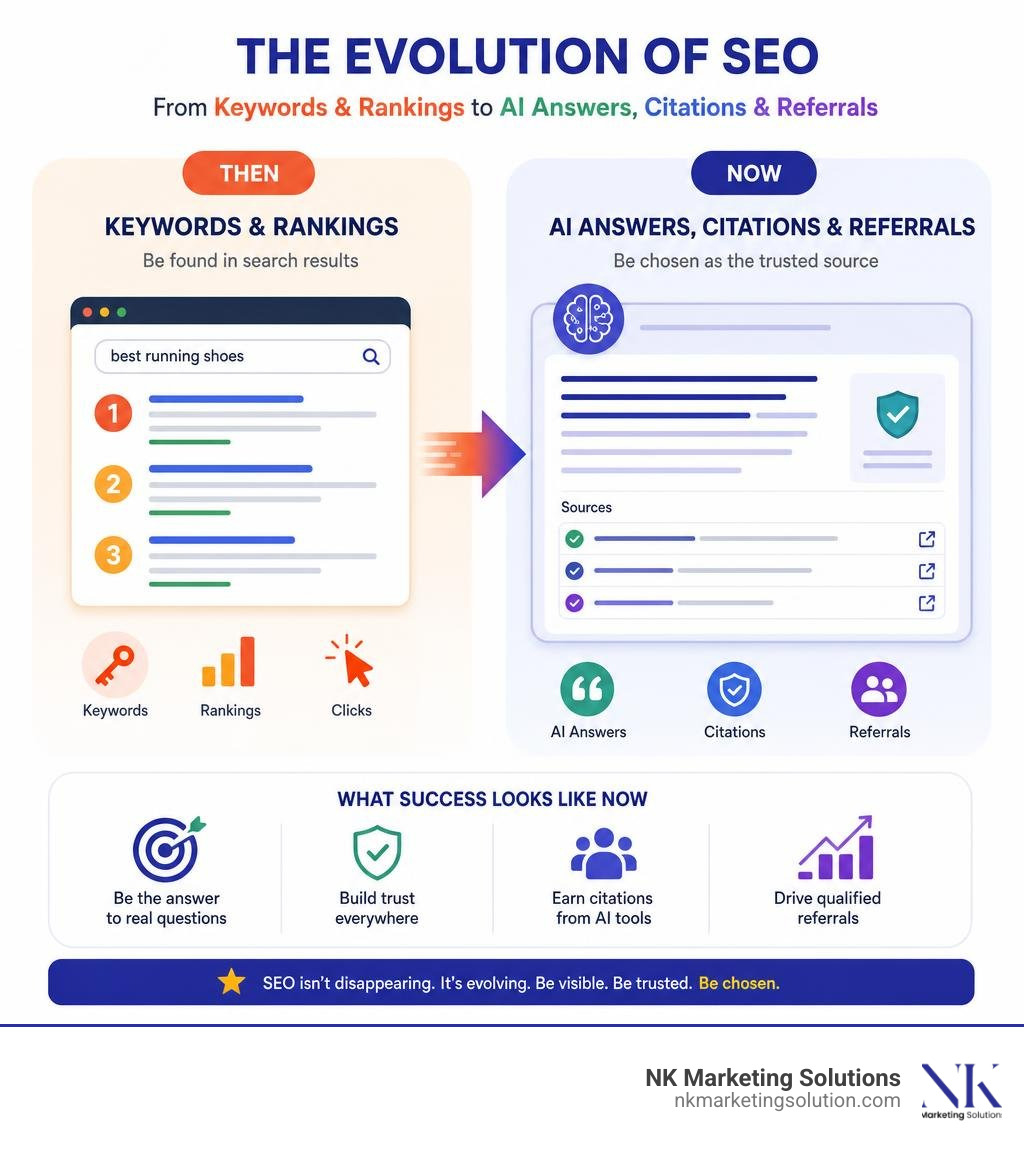
AI is not replacing SEO. It is changing what success looks like. Traditional SEO still helps your website get crawled, indexed, and ranked. But AI-powered search tools also choose short passages, facts, and trusted brands to include in direct answers.
For a small business, the practical move is to:
- Keep strong SEO basics: fast pages, useful content, clear site structure, and technical crawlability.
- Publish direct, fact-backed answers to customer questions.
- Build trust signals across your website and reputable third-party platforms.
- Track AI citations and referrals alongside Google rankings and organic traffic.
Search is becoming more conversational. Google processes about 5.9 million searches per minute, while ChatGPT has roughly 800 million weekly active users. As more people ask AI assistants for recommendations, search visibility is no longer only about earning a blue-link ranking. It is also about being the source an AI tool cites or the brand it recommends.
That shift matters because zero-click searches are growing. Many users now get an answer without visiting a website. Yet the visitors who do arrive from AI tools can be highly qualified, making clear content, strong brand proof, and accurate measurement more valuable than ever.
The Paradigm Shift: AI and the Future of SEO in 2026
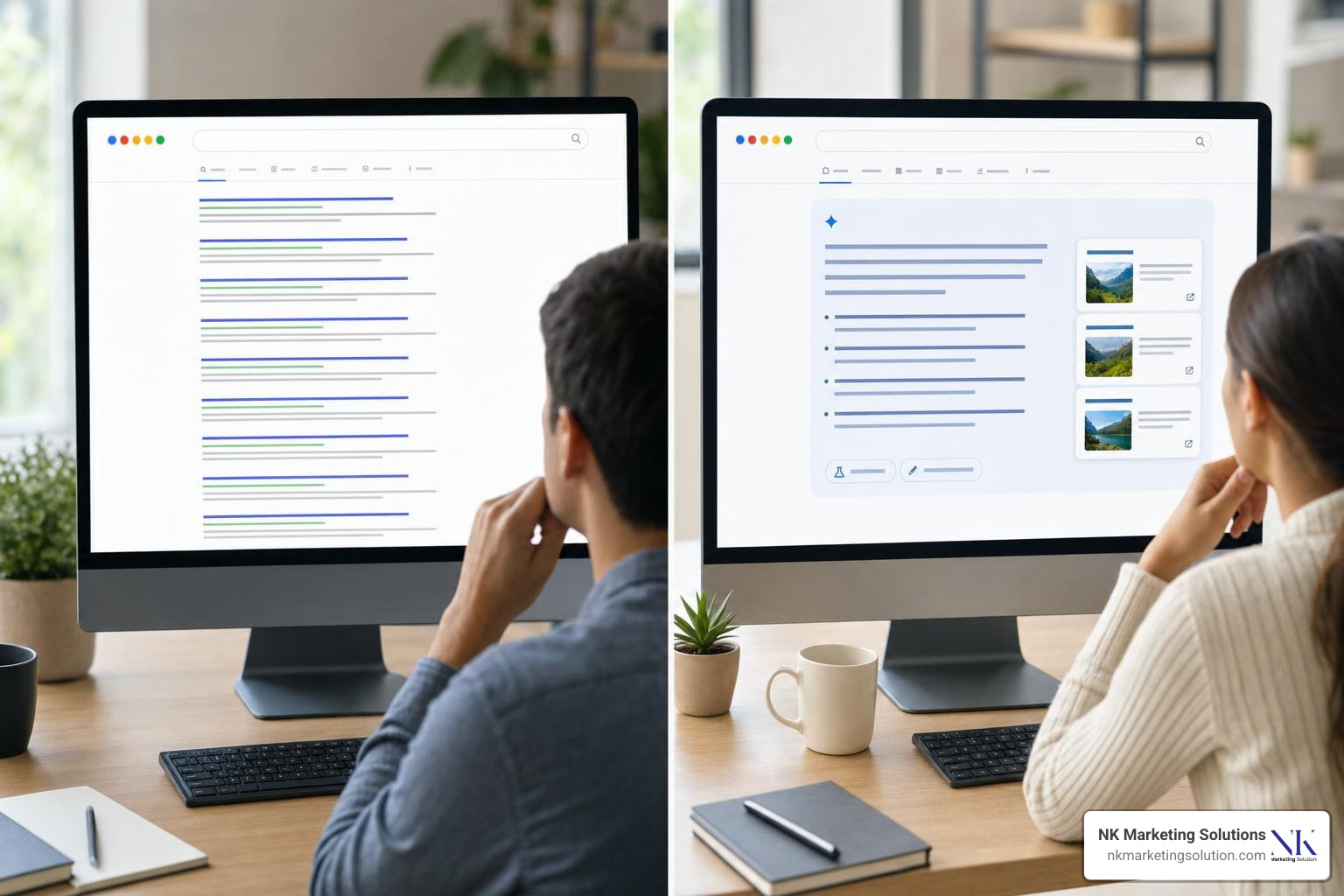
The search landscape of August 2026 looks fundamentally different than it did just a few short years ago. We are no longer watching users plug three-word keyword phrases into a search bar, scan a list of ten blue links, and click through three different sites to piece together an answer. Today, Perplexity processes over 100 million queries every day, Google AI Overviews appear on roughly 48% of all searches, and users act on AI assistant recommendations an impressive 74% of the time.
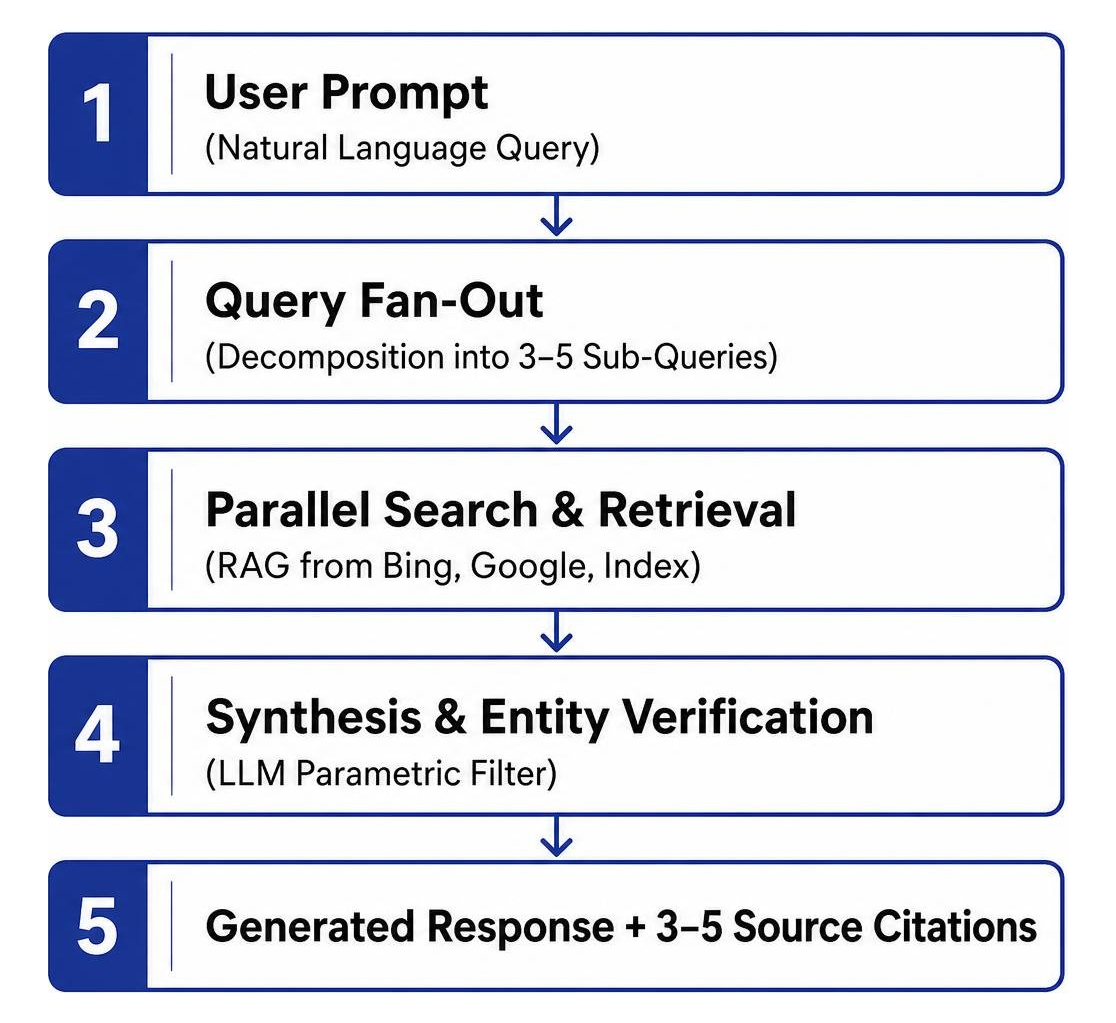
Behind this experience sits a complex retrieval pipeline. When someone asks a nuanced question, large language models do not just match strings of text. They execute what engineers call “query fan-out.” The system decomposes a single conversational prompt into multiple distinct sub-queries, runs those searches across live search indexes in parallel, retrieves the most authoritative text chunks, and uses retrieval-augmented generation (RAG) alongside its parametric memory to synthesize a unified response.
This architectural shift has transformed search behavior. Zero-click searches hit roughly 68% in early 2026, up from about 45% a decade ago. On informational queries where an AI Overview is present, organic click-through rates (CTR) fell 61% (dropping from 1.76% down to 0.61%), and dedicated tools like Google’s AI Mode demonstrate an estimated 93% zero-click rate. Navigating ai and the future of seo means recognizing that while top-of-funnel traffic volumes are shrinking, the visitors who do click through represent high-intent prospects ready to convert.
Traditional SEO vs Generative Engine Optimization (GEO)
To succeed in this modern ecosystem, we have to look beyond traditional page-level ranking mechanics and embrace Generative Engine Optimization (GEO). While traditional SEO aims to rank an entire URL for specific keywords on a search engine results page, GEO focuses on making individual passages extractable, clear, and citable by AI synthesis engines. In this new dynamic, high quality content on page SEO serves as your entry ticket, but passage-level clarity determines whether your brand gets quoted.
| Optimization Factor | Traditional SEO | Generative Engine Optimization (GEO) |
|---|---|---|
| Primary Goal | Rank whole URL in top 10 SERP positions | Earn citations and brand recommendations in AI answers |
| Target Unit | Entire webpage document | Discrete, standalone passages and data chunks (40–60 words) |
| Primary Discovery Channel | Keyword search queries | Conversational prompts and query fan-out sub-searches |
| Key Ranking Signals | Backlink equity, keyword placement, URL authority | Unlinked entity mentions, verified data, structured data, semantic clarity |
| Success Metrics | Impressions, SERP position, organic clicks, CTR | Citation share of voice, brand mentions, AI referral conversions |
| User Journey | Linear: Click link to browse page to convert | Synthesized: Read summary to evaluate recommendation to direct conversion |
How AI and the Future of SEO Redefine Traditional Keyword Research
Keyword research is no longer an exercise in finding high-volume, low-competition exact-match phrases. Because users now converse with search engines using natural language—averaging 23 words per prompt compared to 4 words in legacy queries—we must focus on predictive intent modeling and semantic entity mapping.
Instead of targeting a phrase like “best CRM California,” businesses must optimize for multi-layered scenarios like, “What CRM integrates natively with our accounting software, supports HIPAA compliance, and fits a 10-person medical clinic?” Exploring the best keyword research tools 2026 allows you to discover these semantic clusters, and learning how to use keywords in content writing ensures your text addresses underlying intent rather than repeating stiff phrases.
How AI Answer Engines Decide Which Content to Cite
AI models like ChatGPT, Perplexity, and Google AI Overviews do not select citation sources at random. Peer-reviewed research into Generative Engine Optimization reveals specific structural factors that dramatically increase a page’s citation rate:
- Quotations from named experts: +41% visibility lift
- Original statistics and data points: +32% visibility lift
- Explicit cited source attributions: +30% visibility lift
- Fluency and directness: +28% visibility lift

Platform mechanics also diverge significantly. A large-scale analysis of 680 million citations revealed that only 11% of domains are cited by both ChatGPT and Perplexity. Furthermore, while 76% of Google AI Overview citations pull from pages ranking in Google’s traditional top 10, only 12% of URLs cited by ChatGPT rank in Google’s top 10 results. ChatGPT leans heavily on Bing indexing, technical schema, and trusted knowledge hubs. In fact, pages cited by ChatGPT include structured data 71% of the time.
Despite lower aggregate traffic volumes, the payoff for winning these citations is substantial. AI search referrals convert at 4.4x the rate of traditional organic traffic. In one benchmark study, AI search accounted for just 0.5% of site traffic but delivered 12.1% of overall signups—a 23x conversion differential—while ChatGPT referrals achieved an average 7.1% conversion rate.
Content Structuring for Passage Extraction and Standalone Context
Generative engines do not read articles like humans; they parse them into discrete vector embeddings. To make your content easy for machine models to digest, every major section should follow an inverted pyramid structure.
Start every H2 and H3 section with a direct, 40-to-60-word answer block that directly answers the heading’s core question before expanding into nuance. Frame your subheadings as explicit questions or clear topical declarations. Ensure every passage can stand entirely on its own without relying on ambiguous pronouns like “this approach” or “as mentioned earlier.” Following the March 2026 Google core update, search evaluators and machine parsers penalize fluff, rewarding content that delivers immediate, high-density factual value.
Content Freshness and the Recency Citation Threshold
Recency is no longer a minor ranking factor—it is a strict citation eligibility threshold. Studies show that 85% of AI Overview citations were published within the last two years, with 44% originating from 2025 alone. Similarly, over 50% of Perplexity citations reference content published in the prior calendar year.
Pages updated within the last two months earn 28% more citations than older static pages. To maintain your visibility:
- Conduct systematic 60-to-90-day content refresh cycles across all high-priority pages.
- Add visible “Last updated” timestamps near the top of every guide.
- Update outdated statistics, replace dead outbound links, and refresh case study examples, following our blog post optimization guide for higher Google rankings.
Technical SEO and Accessibility for Generative AI Crawlers
Even the most authoritative content will never be cited if AI bots cannot fetch it. Many webmasters inadvertently block generative search engine retrieval bots in their robots.txt files or through default firewall rules.
You must distinguish between training scrapers (which scrape data to train foundational models) and search retrieval bots (which fetch live content to answer real-time user prompts). If you run an audit and discover why is your site not ranking on Google 2026, check whether your infrastructure permits the following primary retrieval user-agents:
Be aware of crawler-to-referral economics. Cloudflare Radar data reveals that ClaudeBot crawls roughly 10,300 pages per single referral click sent back, GPTBot operates at roughly a 904:1 ratio, PerplexityBot averages 193:1, and Googlebot maintains a tight 5:1 ratio. Regularly inspect server access logs to ensure Content Delivery Networks (CDNs) are not silently issuing 403 Forbidden errors to legitimate AI search crawlers.
Overcoming JavaScript Rendering and Indexation Roadblocks
A widespread technical failure in generative optimization involves client-side JavaScript rendering. While Googlebot has dedicated rendering resources to execute client-side scripts, most AI retrieval bots parse raw HTML and do not reliably execute client-side JavaScript hydration.
If your core text, customer reviews, or pricing tables rely on single-page application (SPA) client-side rendering, AI crawlers will see a blank page. Implementing Server-Side Rendering (SSR) or static site pre-rendering ensures bots immediately ingest semantic HTML. Pairing server-rendered text with JSON-LD structured data (such as Article, FAQPage, and Organization schemas) gives machine parsers an unambiguous blueprint of your content.
Why AI and the Future of SEO Depend on Entity Authority and Brand Trust
In an AI-first search environment, large language models rely on cross-web entity corroboration to verify whether a brand is credible enough to recommend. When an AI evaluates your business, it does not look solely at your own website; it queries third-party surfaces across the entire web.
To build unshakeable entity authority:
- Third-Party Corroboration: Maintain uniform business profiles across reputable review directories, industry associations, and news media.
- Platform Presence: Actively cultivate discussions and thought leadership on LinkedIn (cited in 11% of professional AI queries), Reddit, and Wikipedia.
- SameAs Schema: Use the
sameAsproperty in your Organization JSON-LD markup to explicitly link your official domain to your verified social channels, Crunchbase profiles, and directory listings. - Lead Generation Alignment: Establishing clear entity boundaries ensures AI models accurately route high-value prospects to your sales funnel when you grow your business with B2B lead generation services.
Measuring AI Referral Traffic and Tracking Citation Share
One of the greatest hurdles facing modern marketing teams is attribution. Industry data shows that only about 14% of marketers currently separate AI search as a distinct reporting channel. Because standard web analytics tools often classify AI visits as direct traffic or lump them into generic referral buckets, business leaders risk underestimating their AI return on investment.
To gain complete clarity:
- Configure Custom Channel Groupings in GA4: Set up regular expressions to filter referral traffic coming from hostnames like
.*chatgpt\.com,.*perplexity\.ai,.*gemini\.google\.com,.*claude\.ai, and.*copilot\.microsoft\.com. - Monitor Server Log Ingestion: Track how frequently AI search bots crawl your key commercial and informational pages.
- Track Citation Share of Voice: Establish a standardized benchmark basket of 20 to 50 core commercial buyer prompts. Test these prompts monthly across ChatGPT, Perplexity, and Google AI Overviews to record whether your brand is cited, recommended, or absent.
- Evaluate Full-Funnel Conversions: Rather than obsessing over raw traffic drops, measure qualified leads, scheduled discovery calls, and closed revenue originating from AI referrals.
Leveraging modern analytics frameworks with the top 2025 marketing analytics tools for real results gives you an accurate picture of performance, helping you understand how long does SEO take to show results in 2026 when combining traditional tactics with AI search optimization.
Frequently Asked Questions About AI and Search Optimization
Will traditional SEO still exist in 5 to 10 years?
Yes, traditional SEO will continue to exist, but its operational focus has permanently evolved. Search engines will always require a foundational architecture to crawl, index, render, and understand web pages. However, SEO is transitioning from a mechanical race for keyword rankings into a discipline focused on technical accessibility, digital entity verification, and human-first authority that feeds generative synthesis engines.
What is the difference between SEO, GEO, and AEO?
While these acronyms are often used interchangeably, they represent complementary layers of the same digital strategy:
- SEO (Search Engine Optimization): The foundation that ensures your website is crawlable, fast, mobile-friendly, and indexable for standard search engines.
- AEO (Answer Engine Optimization): The practice of structuring direct answer blocks, FAQs, and semantic schema so engines can lift specific answers into rich snippets and direct response cards.
- GEO (Generative Engine Optimization): The broader strategy of building cross-web entity authority, original proprietary data, and standalone passages so generative models synthesize and recommend your brand in conversational answers.
How do zero-click AI searches affect organic lead generation?
While zero-click searches reduce top-of-funnel informational impressions and casual clicks, they dramatically improve lead quality. Users who finish reading an AI-generated summary and still click an external source citation have completed their initial research and carry high commercial intent. Because AI-referred visitors convert at over 4x the rate of legacy organic traffic, businesses that capture AI citations frequently see higher conversion totals despite lower aggregate website traffic.
Conclusion
The evolution of search is not an existential threat to your business—it is an unprecedented opportunity to capture the most qualified leads in your market. Success in 2026 and beyond requires a balanced, dual-track search strategy: maintaining rock-solid technical SEO foundations while optimizing every content asset for passage extraction, machine readability, and cross-web brand authority.
At NK Marketing Solutions, we help small businesses across California and nationwide navigate these shifts with affordable, data-driven, ROI-focused strategies and transparent reporting—all backed by zero long-term contracts.
Ready to turn AI-powered search engines into your most reliable lead generation pipeline? Explore our complete blueprint on how to write content that ranks in AI-generated answers and start capturing your share of the new search economy today.